Shea Farm Gate Development & Responsible Sourcing
Connecting Shea-Producing Communities to Sustainable Markets
"SALID Agriculture works with shea-producing communities, women collectors,
cooperative groups and local stakeholders to strengthen the shea value chain in
Nigeria. Through our farm-gate development approach, we seek to improve
connections between rural communities and markets, encourage responsible
sourcing practices, support better shea nut quality and contribute to
sustainable livelihoods."
Niger State Shea Parkland Sourcing
Women Collector Cooperative Alliances
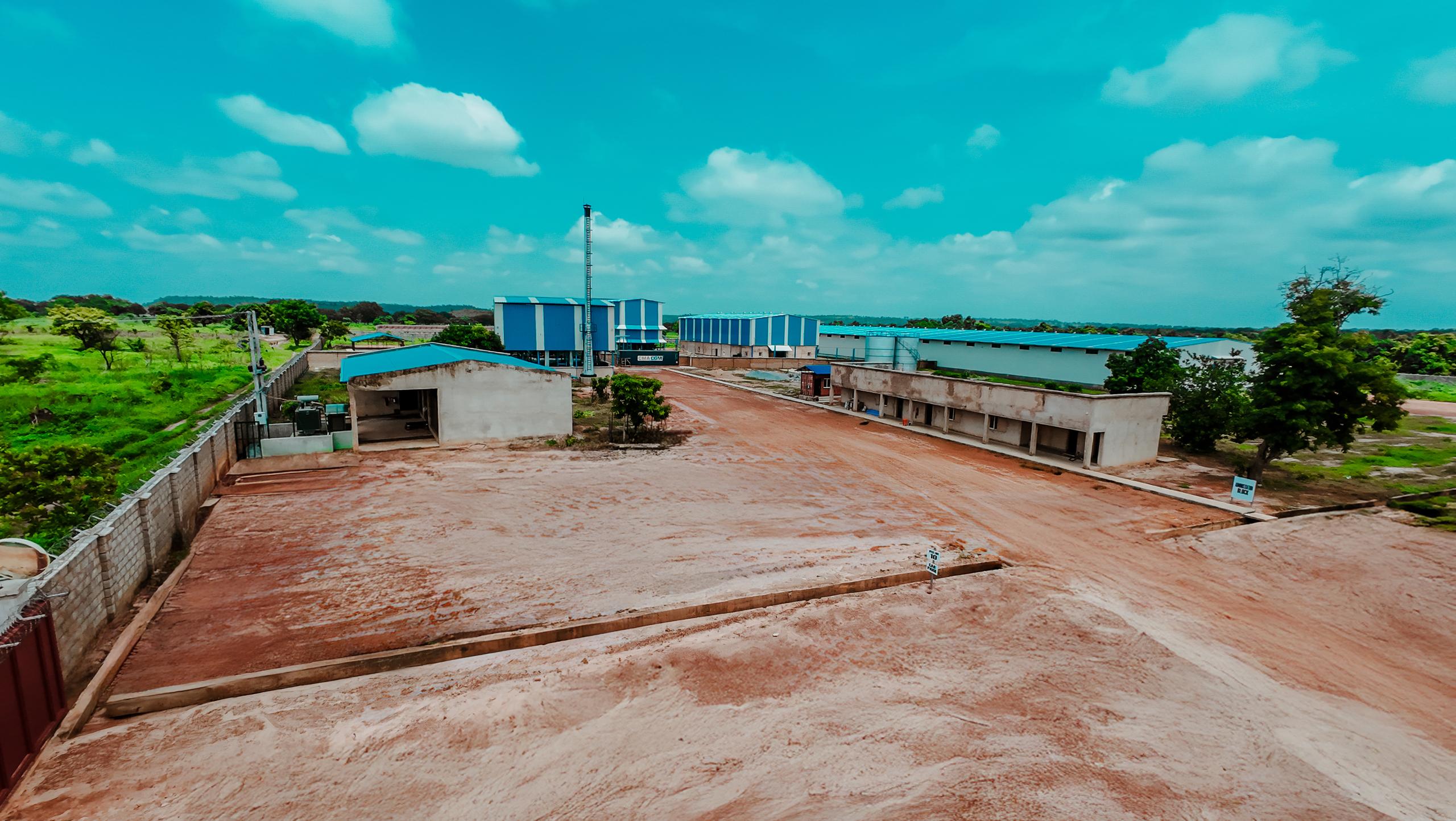
Modern Processing Facility in Kudu
FARM-GATE DEVELOPMENT MODEL
Strengthening the Shea Value Chain
at the Farm Gate
In Nigeria's central agricultural belt, the shea tree (Vitellaria paradoxa) grows
wild across expansive savannah parklands. Farm-gate development strengthens the vital
connection between rural shea collectors, village cooperatives, suppliers, processors,
and end markets—replacing fragmented, unpredictable transactions with structured,
equitable, and transparent commercial partnerships.
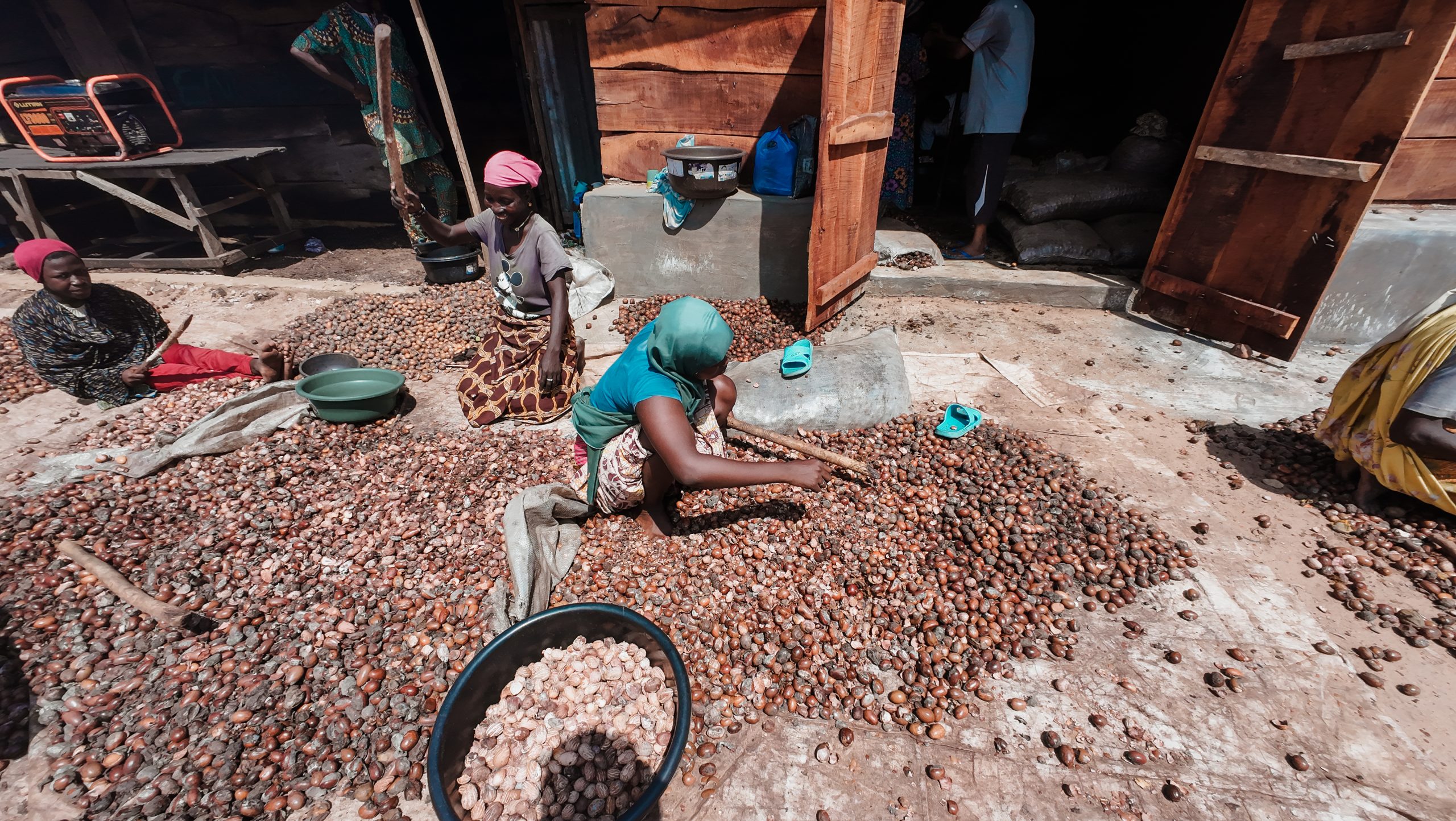
Direct Field Quality Verification
Quality evaluation of sun-dried shea nuts at collection points
Kusopa Coomunites Sourcing Corridors
By maintaining direct contact with collection communities, SALID ensures that shea nuts are harvested at peak ripeness, properly boiled to inhibit enzymatic degradation, and conditioned to rigorous specifications before transport to our central processing facility.
Five foundational benefits delivered by SALID's farm-gate operational approach:
Better Access to Structured Markets
Direct farm-gate sourcing bridges the divide between remote rural collection settlements and formal industrial off-takers, providing predictable and organized commercial outlets for shea nuts.
Improved Shea Nut Handling and Quality
Direct engagement enables early-stage guidance on optimal parboiling, sun-drying, and moisture control, preventing mold development and minimizing free fatty acid (FFA) degradation.
Stronger Relationships With Rural Communities
Continuous on-the-ground presence fosters trust, mutual accountability, and transparent communication with traditional community leadership and collector groups across Niger State.
Greater Participation of Women in the Value Chain
Because women carry out the collection and primary preparation of shea kernels, farm-gate aggregation strengthens their organizational visibility, commercial agency, and household economic standing.
More Responsible and Sustainable Sourcing
Traceability to the community level ensures ethical procurement practices, tree conservation awareness, and commercial accountability from farm gate to processing facility.
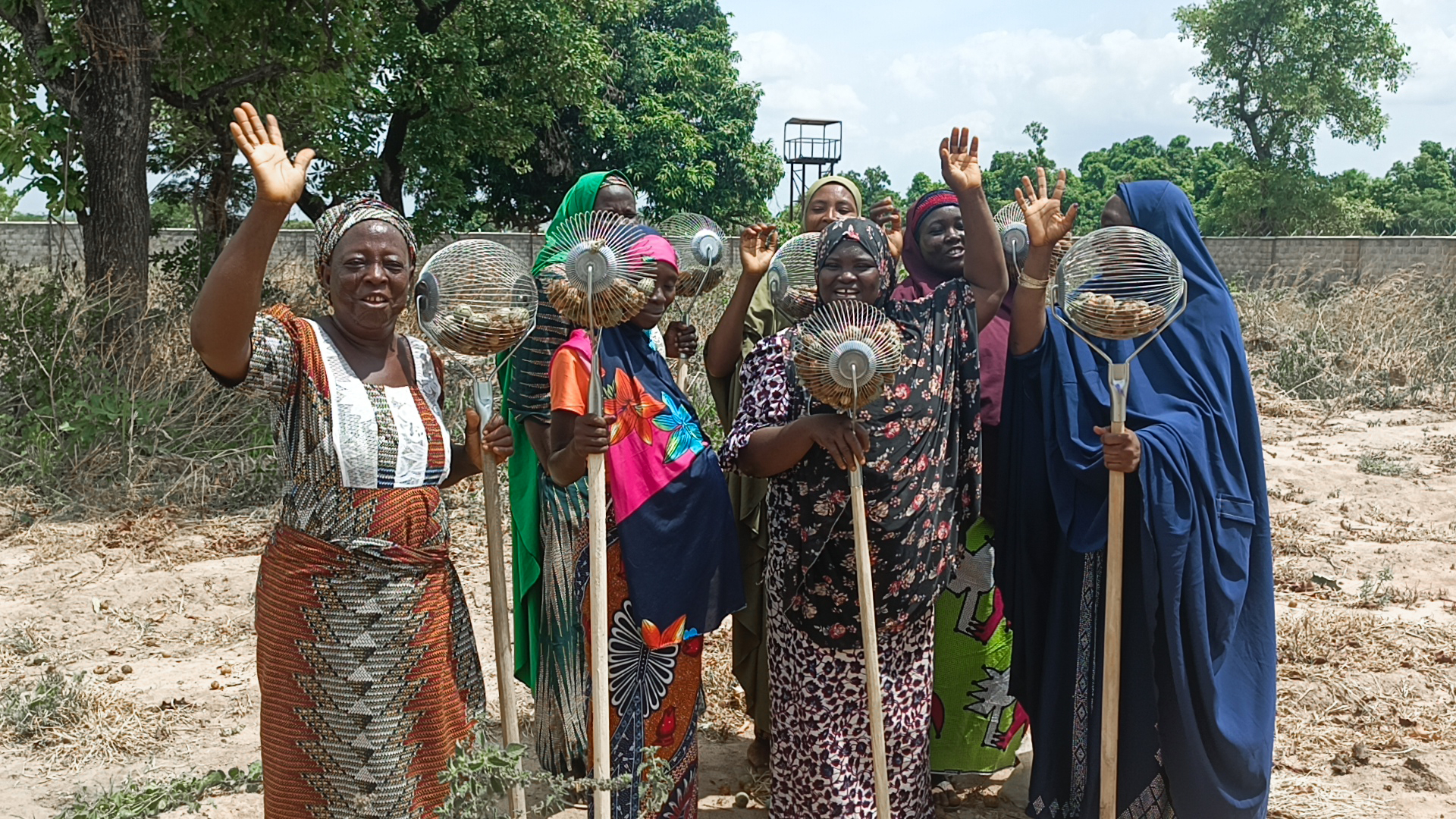
Community Sourcing Alliance
Women cooperative members at the foundation of the Nigerian shea supply chain
AGRO-INDUSTRIAL PARTNERSHIP
Women at the Heart of the Shea Value Chain
In Nigeria's shea-producing communities, women are the primary custodians of indigenous shea knowledge. Across the harvesting belt, rural women perform the exhaustive labor of gathering naturally fallen fruits, de-pulping, washing,
parboiling, drying, and grading shea kernels.
As an agro-industrial processing enterprise, SALID Agriculture seeks to support women and women-led cooperatives through structured community engagement, cooperative development, capacity-building initiatives, and improved direct market connections. By establishing transparent purchasing
arrangements directly at village aggregation points, SALID ensures that the commercial value of their hard work translates directly into predictable, dignified returns for collector households.
Women Empowerment
Recognizing women as primary agricultural professionals in the shea economy, reinforcing their commercial negotiation ability and direct market recognition.
Cooperative Development
Supporting the structural formation and operational efficiency of women-led producer and collection cooperatives across key shea-growing clusters.
Community Participation
Facilitating direct involvement in aggregation schedules, fair pricing transparency, and cooperative leadership within local rural structures.
Grassroots Value Chain Alignment
Working With Shea Cooperatives
and Communities
SALID Agriculture operates through a structured community-focused engagement model. Rather than treating rural collection areas merely as raw extraction zones, our approach grounds our commercial supply chain in durable, localized cooperation with community stakeholders, village elders, and women-led cooperative unions throughout the shea belts of Niger State.
Community Engagement
Building enduring relationships with traditional leaders, local councils, and collector families to understand local seasonal dynamics and establish collaborative sourcing frameworks.
- Biannual pre-harvest community consultations
- Direct dialogue with traditional community councils
- Transparent field purchasing schedules
Quality Awareness
Promoting responsible harvesting of naturally fallen shea fruits, correct thermal handling, thorough sun-drying, and dry storage to preserve kernel integrity.
- Moisture management and FFA suppression guidance
- Clean drying on raised platforms & tarpalines
- Grading and foreign-matter elimination training
Market Access
Connecting rural suppliers and cooperative networks directly with SALID's central industrial processing facility in Kudu, bypassing exploitative intermediary chains.
- Direct off-take agreements at community aggregation centers
- Reliable commercial buying cycles throughout the season
- Fair, transparent weight verification at farm gate
Capacity Development
Supporting knowledge transfer, cooperative record-keeping, collective aggregation logistics, and structured participation within the broader Nigerian shea industry.
- Cooperative governance and record-keeping support
- Safe collection techniques and protective awareness
- Post-harvest aggregation and warehouse handling
Are you an organized shea cooperative in Niger State or adjacent belts?
SALID Agriculture actively welcomes registered cooperative unions and community collector associations seeking predictable off-take agreements and structured quality collaboration.
Integrated Quality Protocol
Improving Shea Nut Quality From
the Source
In industrial shea butter manufacturing, the final oil purity, free fatty acid (FFA) percentage, peroxide values, and aroma are determined long before the kernels enter our mechanical expellers. Quality begins at the very point where shea nuts are gathered beneath the wild trees of Niger State.
By embedding quality management across responsible harvesting, gentle thermal deactivation, clean sun-drying, ventilated storage, and systematic grading, SALID ensures that our processing operation in Kudu receives feedstock of consistent, export-ready grade.
The Six Quality Control Stages
Shea Collection
Collectors selectively gather only naturally fallen, ripe shea fruits from wild parkland trees, avoiding immature or damaged fruit that would compromise downstream kernel quality.
KEY QUALITY GATE CONTROL POINTS
Corporate Responsibility
Responsible Sourcing
and Sustainable Growth
The long-term future of Nigeria’s shea industry depends on healthy shea resources, responsible sourcing practices, and communities that can continue to benefit from the value chain. SALID Agriculture approaches sustainability as an operational necessity woven directly into how we procure, handle, and process shea nuts.
Environmental Responsibility
Shea Parkland & Ecological Stewardship
The long-term vitality of the shea industry relies on preserving wild agro-forestry ecosystems across Nigeria's savannah belt. SALID encourages responsible stewardship of indigenous Vitellaria paradoxa trees, advocating against tree felling for charcoal and promoting sustainable bush-burning prevention.
- Preservation of wild parkland shea tree populations
- Wild collection without altering natural savannah biodiversity
- Awareness campaigns against tree cutting and hazardous bush fires
Social Impact
Dignity & Livelihood Resilience
Rural collectors and cooperative members are the primary human foundation of the shea sector. SALID fosters enduring social value by respecting communal customs, prioritizing women collector groups, and maintaining fair, respectful commercial relationships at every farm gate.
- Prioritizing women-led cooperatives in commercial sourcing
- Respecting local community leadership and customary rights
- Promoting safer gathering practices and ergonomic awareness
Economic Opportunity
Predictable, Direct Market Integration
Sustainable agricultural growth requires direct economic viability for rural producers. By linking farm-gate aggregation centers directly to industrial processing in Niger State, SALID delivers reliable commercial demand, incentivizes high-quality collection, and stimulates rural economies.
- Direct market off-take reducing intermediary margins
- Incentivizing quality excellence through clear grading criteria
- Sustained economic activity across rural collection communities
Rural Value Co-Creation
Building Stronger Shea Communities
At SALID Agriculture, our commitment to farm-gate development goes well beyond commodity procurement. It represents an integrated social compact that encompasses active community engagement, rural livelihood opportunities, cooperative participation, and responsible, respectful sourcing.
Direct Economic Inclusion
Transparent farm-gate weight verification and direct payments ensure that the economic benefits of shea collection remain within the households doing the harvesting..
Cooperative Autonomy
TWe respect the independent governance of village cooperatives, providing organizational support and seasonal clarity while honoring local leadership structures.
Intergenerational Stewardship
By fostering economic viability in rural communities, we encourage youth and collector families to safeguard wild shea trees as living productive assets for decades to come.
Frequently Asked Questions
What is farm-gate development?
Farm-gate development is an agricultural procurement strategy that engages farmers, collectors, and community cooperatives directly at the primary rural production source. Rather than purchasing commodities through multi-tier middlemen, farm-gate development connects the primary collector directly with industrial processing, ensuring fair market access, supply chain visibility, and mutual development.
What does farm-gate development mean for SALID Agriculture?
For SALID Agriculture, farm-gate development represents our integrated commitment to partner directly with Nigerian shea-producing communities and women-led cooperatives. We establish reliable village buying points, provide quality awareness on proper handling, and channel freshly conditioned shea nuts directly into our modern processing facility in Kudu, Niger State.
Why are women important to the shea value chain?
Does SALID work with shea cooperatives?
Yes. SALID actively collaborates with recognized shea cooperatives and women’s collector associations throughout Niger State and surrounding production belts. We support cooperative aggregation, offer capacity development in post-harvest conditioning, and establish direct off-take relationships.