Ethical Shea Sourcing &
Responsible Supply Chains
Building Responsible Partnerships Across the Shea Value Chain
At SALID Agriculture, responsible sourcing is central to how we engage with communities, suppliers and partners across the shea value chain. We seek to build transparent relationships that support responsible practices, community welfare and the long-term sustainability of shea resources.
Standard Responsible Sourcing
Alliance Community Partnerships
Continuity Sustainable Shea Value Chain
Community Sourcing Alliance
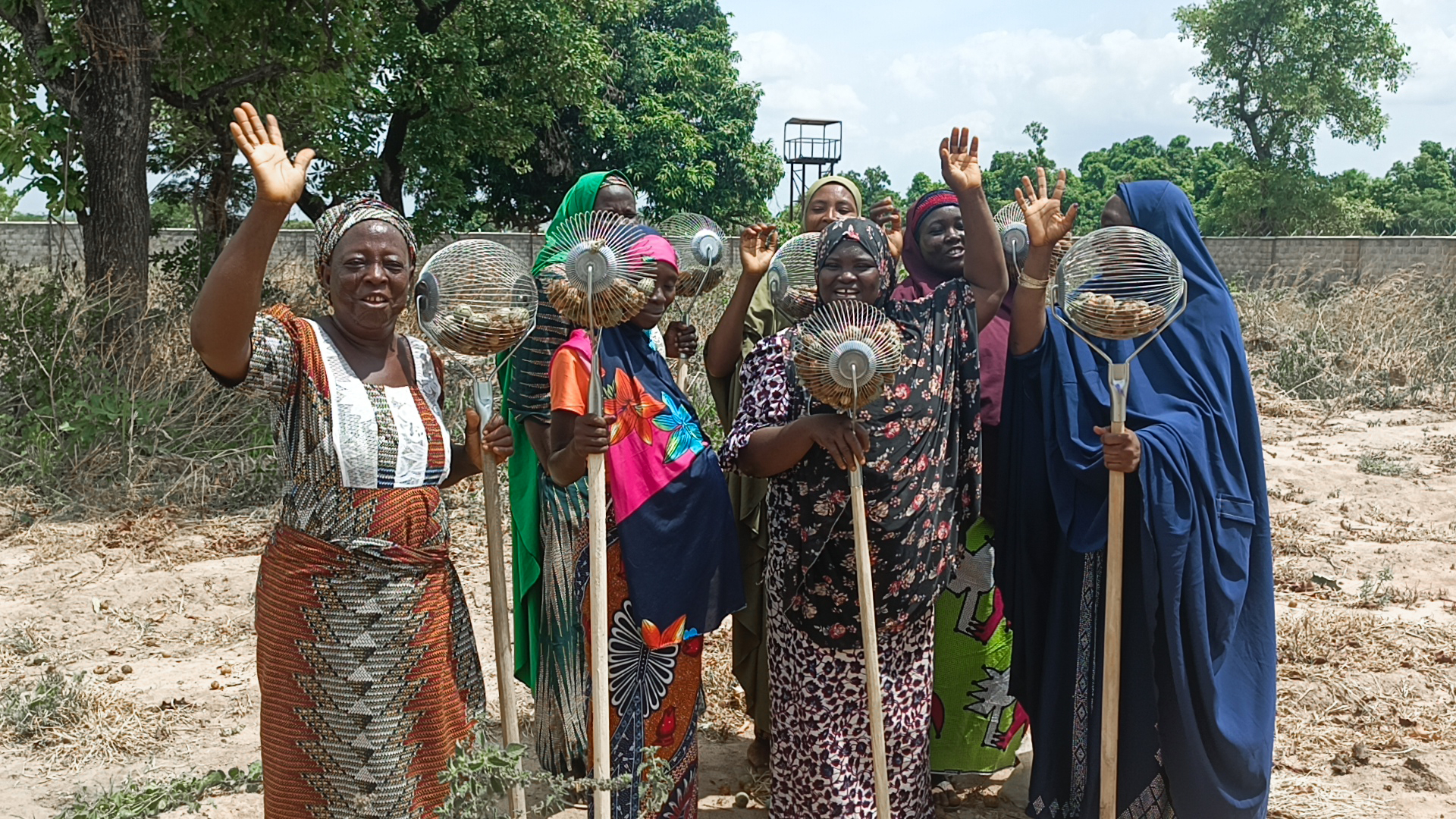
Women cooperative members at the foundation of the Nigerian shea supply chain
AGRO-INDUSTRIAL PARTNERSHIP
Women at the Heart of the Shea Value Chain
In Nigeria's shea-producing communities, women are the primary custodians of indigenous shea knowledge. Across the harvesting belt, rural women perform the exhaustive labor of gathering naturally fallen fruits, de-pulping, washing,
parboiling, drying, and grading shea kernels.
As an agro-industrial processing enterprise, SALID Agriculture seeks to support women and women-led cooperatives through structured community engagement, cooperative development, capacity-building initiatives, and improved direct market connections. By establishing transparent purchasing
arrangements directly at village aggregation points, SALID ensures that the commercial value of their hard work translates directly into predictable, dignified returns for collector households.
Women Empowerment
Recognizing women as primary agricultural professionals in the shea economy, reinforcing their commercial negotiation ability and direct market recognition.
Cooperative Development
Supporting the structural formation and operational efficiency of women-led producer and collection cooperatives across key shea-growing clusters.
Community Participation
Facilitating direct involvement in aggregation schedules, fair pricing transparency, and cooperative leadership within local rural structures.
Grassroots Value Chain Alignment
Working With Shea Cooperatives
and Communities
SALID Agriculture operates through a structured community-focused engagement model. Rather than treating rural collection areas merely as raw extraction zones, our approach grounds our commercial supply chain in durable, localized cooperation with community stakeholders, village elders, and women-led cooperative unions throughout the shea belts of Niger State.
Community Engagement
Building enduring relationships with traditional leaders, local councils, and collector families to understand local seasonal dynamics and establish collaborative sourcing frameworks.
- Biannual pre-harvest community consultations
- Direct dialogue with traditional community councils
- Transparent field purchasing schedules
Quality Awareness
Promoting responsible harvesting of naturally fallen shea fruits, correct thermal handling, thorough sun-drying, and dry storage to preserve kernel integrity.
- Moisture management and FFA suppression guidance
- Clean drying on raised platforms & tarpalines
- Grading and foreign-matter elimination training
Market Access
Connecting rural suppliers and cooperative networks directly with SALID's central industrial processing facility in Kudu, bypassing exploitative intermediary chains.
- Direct off-take agreements at community aggregation centers
- Reliable commercial buying cycles throughout the season
- Fair, transparent weight verification at farm gate
Capacity Development
Supporting knowledge transfer, cooperative record-keeping, collective aggregation logistics, and structured participation within the broader Nigerian shea industry.
- Cooperative governance and record-keeping support
- Safe collection techniques and protective awareness
- Post-harvest aggregation and warehouse handling
Are you an organized shea cooperative in Niger State or adjacent belts?
SALID Agriculture actively welcomes registered cooperative unions and community collector associations seeking predictable off-take agreements and structured quality collaboration.
Corporate Responsibility
Responsible Sourcing
and Sustainable Growth
The long-term future of Nigeria’s shea industry depends on healthy shea resources, responsible sourcing practices, and communities that can continue to benefit from the value chain. SALID Agriculture approaches sustainability as an operational necessity woven directly into how we procure, handle, and process shea nuts.
Environmental Responsibility
Shea Parkland & Ecological Stewardship
The long-term vitality of the shea industry relies on preserving wild agro-forestry ecosystems across Nigeria's savannah belt. SALID encourages responsible stewardship of indigenous Vitellaria paradoxa trees, advocating against tree felling for charcoal and promoting sustainable bush-burning prevention.
- Preservation of wild parkland shea tree populations
- Wild collection without altering natural savannah biodiversity
- Awareness campaigns against tree cutting and hazardous bush fires
Social Impact
Dignity & Livelihood Resilience
Rural collectors and cooperative members are the primary human foundation of the shea sector. SALID fosters enduring social value by respecting communal customs, prioritizing women collector groups, and maintaining fair, respectful commercial relationships at every farm gate.
- Prioritizing women-led cooperatives in commercial sourcing
- Respecting local community leadership and customary rights
- Promoting safer gathering practices and ergonomic awareness
Economic Opportunity
Predictable, Direct Market Integration
Sustainable agricultural growth requires direct economic viability for rural producers. By linking farm-gate aggregation centers directly to industrial processing in Niger State, SALID delivers reliable commercial demand, incentivizes high-quality collection, and stimulates rural economies.
- Direct market off-take reducing intermediary margins
- Incentivizing quality excellence through clear grading criteria
- Sustained economic activity across rural collection communities